
When designing a new outdoor structure, the first consideration is often the pergola material itself. The conversation usually narrows to vinyl pergolas or aluminum pergolas, two options that perform very differently once exposed to Florida’s intensity. Under relentless sun, humidity, and extreme temperature, the difference in durability, longevity, and maintenance requirements between the materials becomes apparent. Understanding how each material handles real-world weather conditions helps you shape an outdoor living space that’s both beautiful and built to last.
Vinyl pergolas appeal to homeowners looking for low-maintenance shade on a budget. Made from PVC, vinyl naturally resists rot and insects, and never needs painting or staining. For smaller patios or quick weekend upgrades, it can feel like an easy, plug-and-play way to introduce shade without the workload.
But that simplicity comes with trade-offs. Under Florida’s heat, humidity, and constant extreme temperature swings, vinyl can warp, discolor, or grow brittle over time. Once cracking or fading begins, there’s no refinishing option—only replacement. And while vinyl is often marketed as minimal maintenance, its appearance tends to dull quickly under real weather conditions.
Design flexibility is also limited. Most vinyl pergolas come in a few standard shapes and a single white finish, making it difficult to achieve the elevated aesthetic or custom detailing that aluminum pergolas deliver. For homeowners looking for a pergola project that adds lasting architectural value, vinyl works as a short-term shade structure rather than a long-term structural investment to your outdoor living space.
Pros
Cons

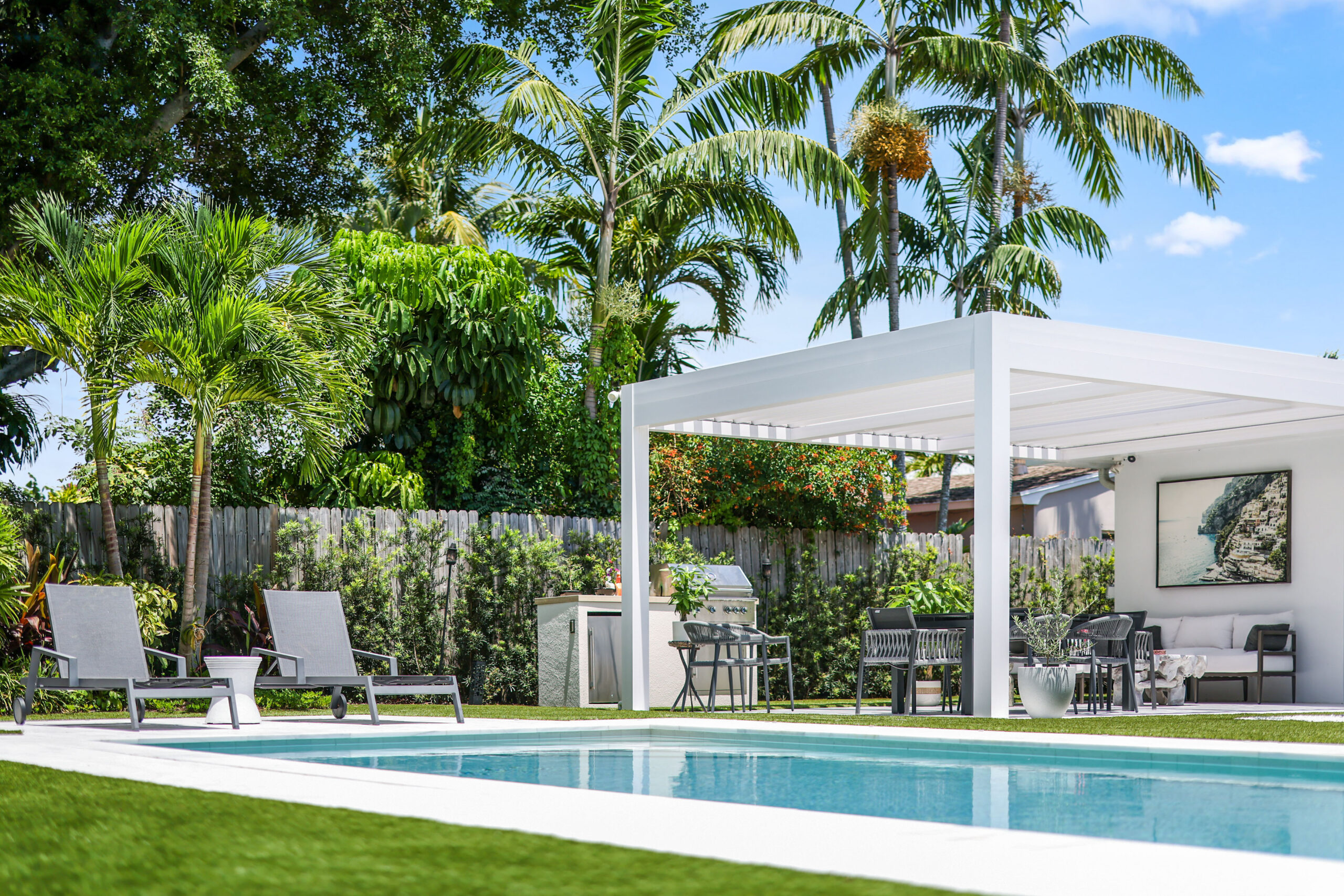
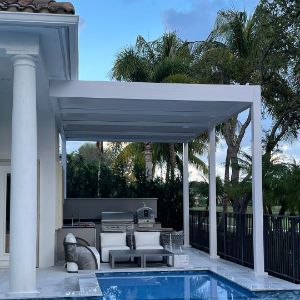
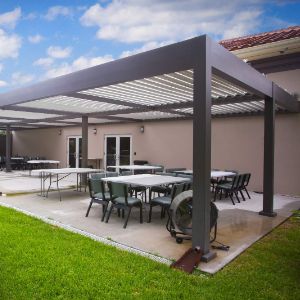
When it comes to strength, beauty, and long-term performance, aluminum pergolas rise far above every other material. Modern systems built from extruded aluminum are engineered for exceptional stability, handling heavy rain, salt air, high winds, and intense UV exposure without warping or rusting. For homeowners in climates with demanding weather conditions, aluminum remains the best pergola material for lasting peace of mind.
Where aluminum truly shines is design flexibility. These structures can be tailored to complement any architectural style—from crisp modern lines to warm Mediterranean curves—and finished with the highest-quality European powder coating for superior color retention and corrosion resistance. Unlike vinyl, which tends to look identical across brands, premium aluminum systems offer customization in size, profiles, textures, and finishes, creating a sleek, architectural focal point in any outdoor living space.
SYZYGY Global’s luxury pergola collections, including the R-Blade and R-Shade, are crafted from high-grade extruded aluminum engineered specifically for Florida’s climate. Each system features dual-walled gapless louvers, fully extruded integrated gutters, and concealed marine-grade stainless steel hardware—hallmarks of durability and sophistication. Hurricane-rated, site-specific engineering and low maintenance care complete the package, making aluminum the material of choice for high-end residential and commercial environments.
Pros
Cons
Longevity is where the difference between vinyl and aluminum pergolas becomes unmistakable. Vinyl structures, while budget-friendly, often reach the end of their lifespan within 10–15 years—especially in climates with heavy UV exposure and fluctuating weather conditions. By contrast, aluminum pergolas built with high-grade extruded aluminum can last for decades with nothing more than periodic rinsing. Their highest-quality European powder coating shields the surface from corrosion and fading, preserving both color and structural integrity year after year.
Their maintenance requirements diverge just as dramatically. Vinyl may seem low maintenance at first, but once it begins to warp, fade, or crack, there’s no restoring the material. Replacement becomes the only option. Aluminum pergolas maintain their sleek finish with minimal care and can withstand harsh environments without compromising performance. For homeowners who prioritize value over time, aluminum delivers stronger durability, lower upkeep, and a more sustainable long-term investment.
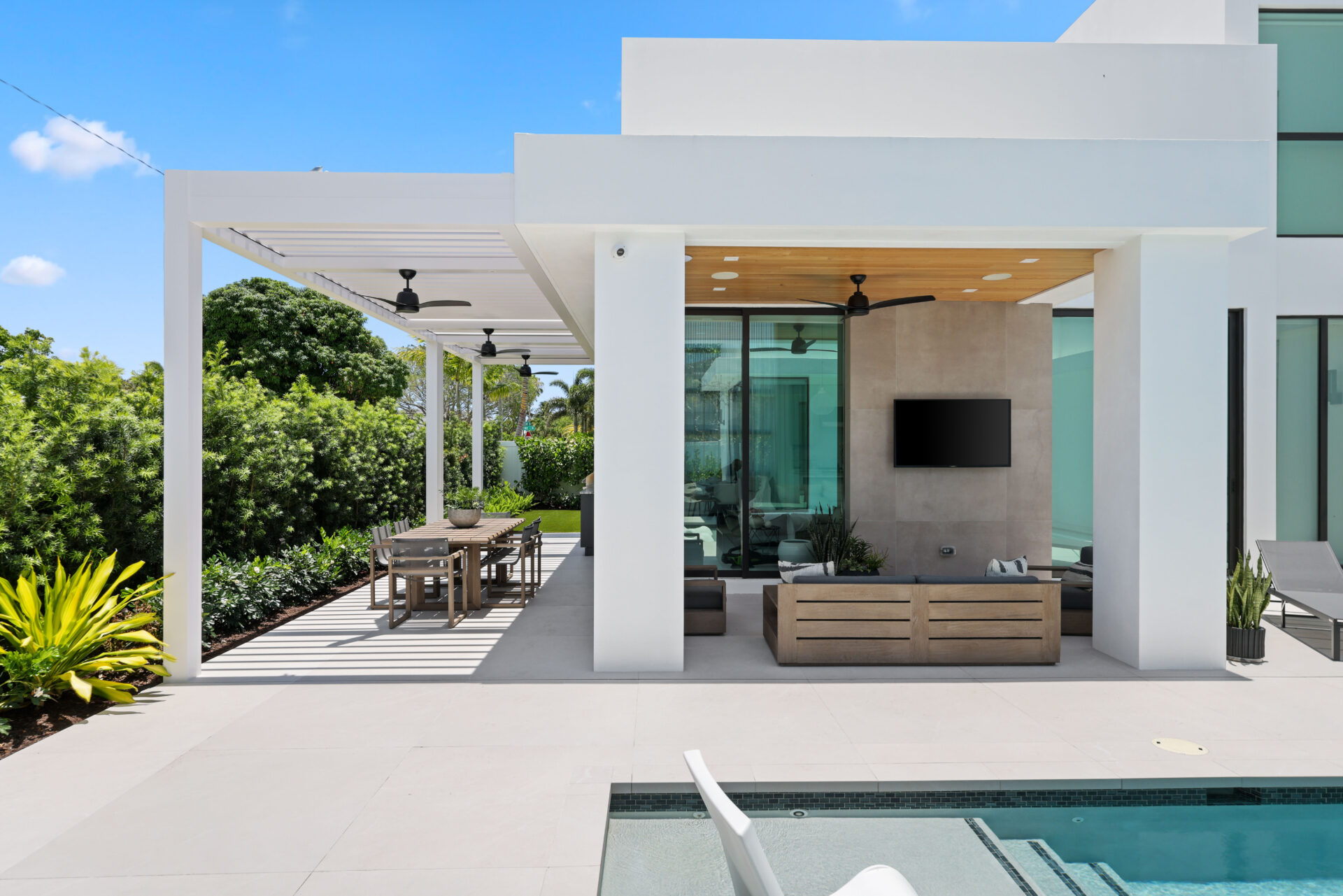
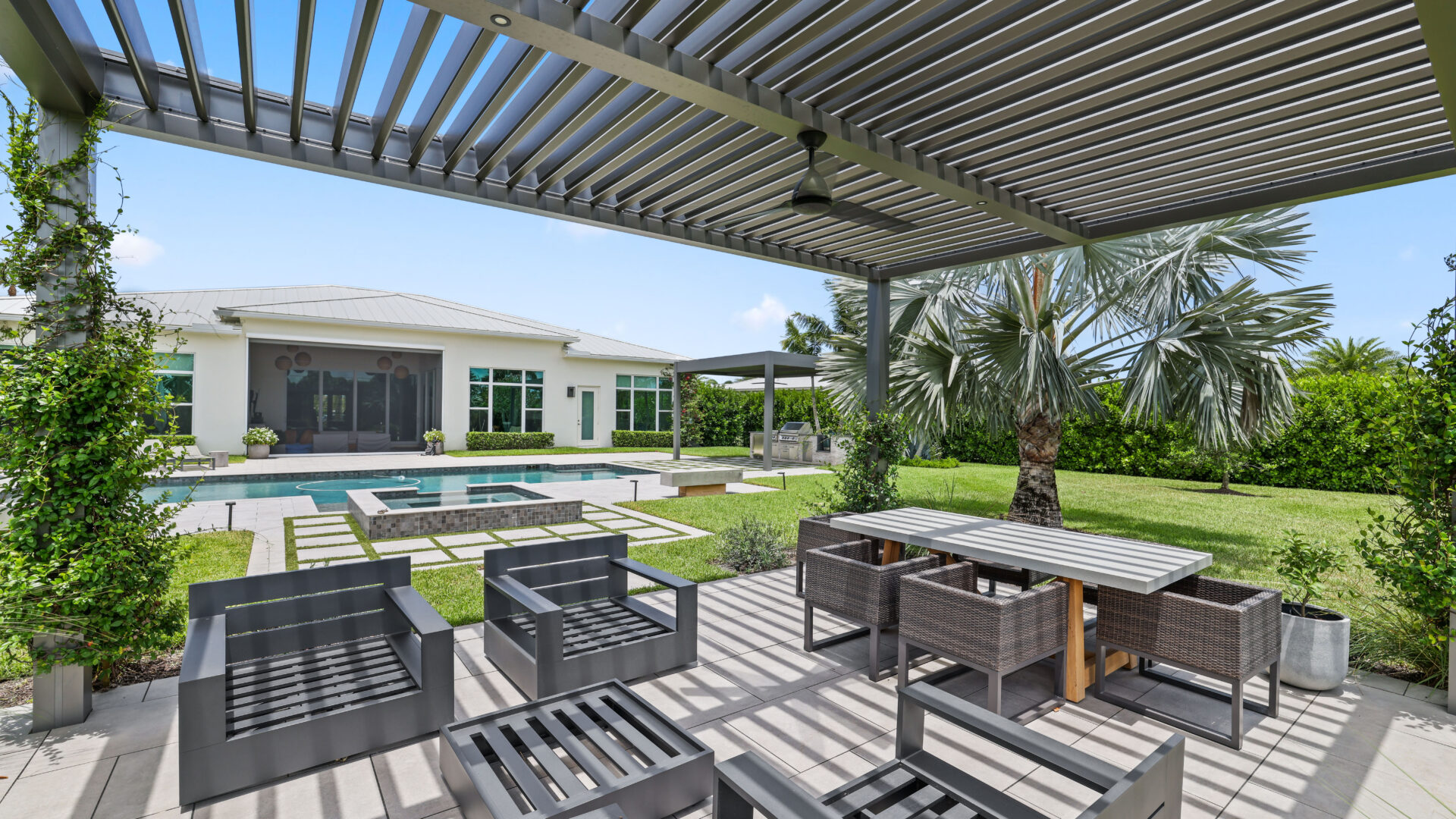
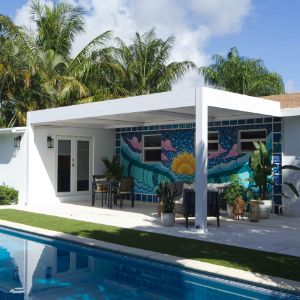
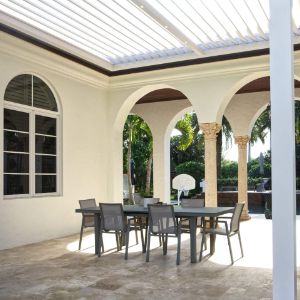
Design is where aluminum pergolas effortlessly outpace every other material. While vinyl pergolas are limited to a few standard shapes and a single white finish, aluminum opens the door to nearly limitless creativity. From crisp modern lines to soft Mediterranean curves, aluminum systems can be tailored to match the architecture of the home—and the personality of the homeowner.
These pergolas can integrate advanced features like smart lighting, dual-walled gapless louvers, automated climate response, and motorized panels that adjust to changing weather conditions with a simple tap. It’s an elevated blend of form and function that vinyl simply can’t replicate.
SYZYGY Global’s aluminum pergolas demonstrate how beauty and engineering work in harmony. Each system is designed as a true outdoor living space, with seamless automation, custom finishes, fully extruded integrated gutters, and concealed marine-grade stainless steel hardware. Whether you’re envisioning a tranquil retreat or a sweeping entertainment pavilion, aluminum pergolas offer the freedom to bring that vision to life without compromise.
In regions like Florida, where extreme temperature swings, hurricane threats, and year-round humidity are simply part of the landscape, true durability becomes a non-negotiable. Vinyl tends to soften, warp, or discolor under prolonged heat, while aluminum pergolas maintain their structural integrity with unwavering consistency. Naturally resistant to rust, mold, and moisture, aluminum excels in coastal settings where salt air can diminish lesser materials.The engineering advantage continues with structure. Because extruded aluminum supports longer spans without the need for extra posts, these pergolas create open, airy spaces that feel expansive and luxurious. This level of performance makes aluminum the preferred choice not only for homes but also for high-end resorts, restaurants, golf clubs, and commercial terraces—any environment where beauty must be matched by reliability.
Choosing the right pergola material is also a choice about sustainability and long-term value. Vinyl pergolas, made from synthetic plastic, are difficult to recycle and can release toxins when subjected to extreme temperature swings. Their shorter lifespan means they must be replaced more often—creating additional waste over time.
Aluminum pergolas, on the other hand, are fully recyclable and among the most inherently durable building materials available. Because high-grade extruded aluminum lasts for decades with minimal upkeep, it reduces both material waste and long-term costs. Fewer replacements mean a lighter environmental footprint and a stronger return on investment.
When you evaluate the true cost of ownership, aluminum pergolas deliver far greater year-to-year value. Their longevity, low maintenance, and exceptional performance in harsh weather conditions easily offset the higher initial cost. For homeowners, architects, and designers who prioritize sustainability without sacrificing luxury, aluminum offers both practicality and prestige.
Aluminum pergolas outperform vinyl in every meaningful category—durability, longevity, design flexibility, and resilience in harsh weather conditions. And with SYZYGY Global’s engineered systems, built from high-grade extruded aluminum and finished with the highest-quality European powder coating, homeowners gain the confidence of hurricane-rated strength and modern architectural elegance.
For those who expect more from their outdoor living spaces, aluminum delivers a refined, sleek design paired with exceptional longevity. It’s the material that elevates a pergola from a simple shade structure into a lasting, luxurious extension of the home.
Ready to reimagine your outdoor living space? Schedule a design consultation with SYZYGY Global and explore what a custom aluminum pergola can bring to your home.
Disclaimer: Hurricane-rating only applies to the R-Blade motorized louvered pergola. Miami-Dade County, Florida NOA No. 25-0205.04 – Expiration March 20, 2030

























Name