

For hospitality venues, a successful outdoor upgrade is about more than the finished structure. It is about how the project is planned, how the site is managed, and how the guest experience is protected along the way.
That is what makes the commercial pergola installation process so important. The best projects do not ask a restaurant, resort, hotel, or private club to choose between improving the property and maintaining day-to-day operations. They are designed to support both.
With the right planning, an outdoor renovation timeline can be organized rather than overwhelming. Service can stay steady, staff can stay informed, and guests can continue enjoying the property while the space takes shape.
At Jonathan’s Landing Golf Club, that kind of thoughtful approach helped turn an underused patio into a member favorite. The club’s general manager said the project was completed “three months earlier than we expected,” and described the process as “seamless.”
Every hospitality property has its own rhythm: lunch service, member events, guest arrivals, weddings, private functions, pool traffic, valet flow. A strong installation plan respects that rhythm instead of interrupting it unnecessarily.
That is why the most effective projects begin with questions like these:
Framed this way, the process becomes less about avoiding disruption at all costs and more about building with care, clarity, and operational awareness.
A well-managed commercial pergola installation process is not just efficient on paper. It is easier to live with in real life.
In practice, that often means clear phasing so part of the venue remains usable throughout the project. It means work windows that respect service hours and guest patterns. It means clean staging, thoughtful protection of surrounding areas, and a daily reset that keeps the environment feeling composed rather than chaotic.
It also means proactive communication. When managers and staff know what is happening and what comes next, they can set expectations confidently. That alone goes a long way toward helping hospitality teams maintain operations during install.

Some outdoor projects are naturally easier to execute cleanly than others. In active hospitality settings, that difference matters.
A site-specific, engineered approach helps reduce surprises during permitting and construction. It also helps support a more predictable outdoor renovation timeline, which is especially valuable when clubs, restaurants, and resorts are balancing seasonal demand, events, and service standards.
Key decisions that help streamline the process include:
Before the first delivery arrives, both the installation team and your employees should already know where materials will move, where staging will be located, and what circulation paths need to stay open. That level of planning helps the installation feel controlled from the beginning.
Early engineering and complete documentation help keep approvals moving and reduce the risk of redesign midstream. For hospitality properties, this can make a meaningful difference in hospitality construction scheduling.
The strongest projects account for more than overhead coverage alone. When drainage, lighting, and adjacent site conditions are planned from the start, the final result is cohesive, architectural, and fully integrated into the property.
Hospitality brands do not stop operating because construction is happening.
That is why the guest experience should be part of the planning conversation from day one. Screened staging areas, clear wayfinding, protected circulation paths, and consistent daily cleanup all help the space feel managed and intentional.
Even small choices in your installation plan can have an outsized impact. Preserving a key arrival view, keeping a signature photo moment intact, or protecting the most visible guest-facing zones: These are the details that help teams minimize disruption during construction while still moving the project forward.
For hospitality teams, timing is never simply a scheduling detail. It affects operations, guest comfort, and the timing of when the property can begin benefiting from the upgrade.
That is one reason the Jonathan’s Landing example is so useful here. According to SYZYGY Global’s case study, the club expected a longer timeline, but the project was completed in just 90 days, and the general manager said members were able to enjoy it that much sooner. He also described the design and execution process as “one of the easiest projects” he had been part of.
That kind of feedback reinforces an important point: a phased installation plan is not just about limiting inconvenience. It is also about creating confidence throughout the process.
The real value of a hospitality outdoor upgrade becomes visible once the space can maximize its full potential for the property.
At Jonathan’s Landing, the general manager said the patio “used to be kind of an afterthought” and is now “a specifically requested dining space.” He also said it has quickly become the club’s most popular outdoor dining area.
That shift captures the bigger opportunity. A well-planned and well-executed pergola project does not simply add shade. It can help transform an overlooked area into a destination guests actively choose.
For hospitality venues, this can support:

Revenue conversations around outdoor upgrades consistently focus on the finished space, and for good reason. More usable square footage, stronger guest satisfaction, and better weather flexibility all matter.
But the path to that result matters too.
A carefully managed commercial pergola installation process helps protect revenue during the build by reducing unnecessary operational friction. It helps teams maintain operations during install, support service continuity, and move toward completion with a clearer sense of timing and control.
Then, once the space opens, the upside becomes easier to realize. Jonathan’s Landing noted that the new covered space has made it easier to accommodate events and growing dining demand.
The strongest hospitality projects balance aesthetics, performance, and operations from the beginning. They are not only beautiful when finished. They are thoughtfully managed while underway.
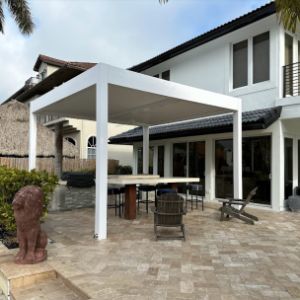
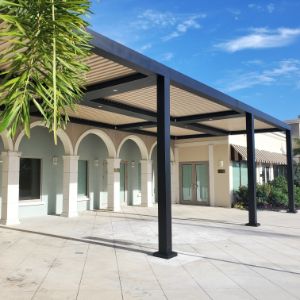
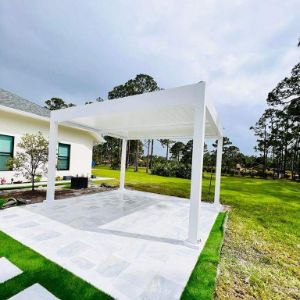
SYZYGY Global designs site-specific outdoor environments for hospitality properties across South Florida with that full-picture approach in mind. For restaurants, resorts, hotels, and private clubs, that means planning the commercial pergola installation process with as much care as the finished guest experience.
If you are considering a patio, terrace, poolside, or event space upgrade, a design consultation can help you map a path that is clear, phased, and operationally realistic from the start.


























Name